Are the shops open?
On a self-supported ride, the hardest part of resupply is not finding a shop. It is knowing whether it is open by the time you get there. After a few thousand kilometres of racing across Europe, I have learned this one the hard way, standing outside more than one shut supermarket at exactly the wrong moment. Here is what I wish I had known.
The golden rule: Sundays break your plan
Across most of continental Europe, regular supermarkets and shops are closed on Sundays, and often on public holidays too. If your route crosses a Sunday, you cannot lean on supermarkets. You lean on the exceptions below.
The exceptions that keep you fed
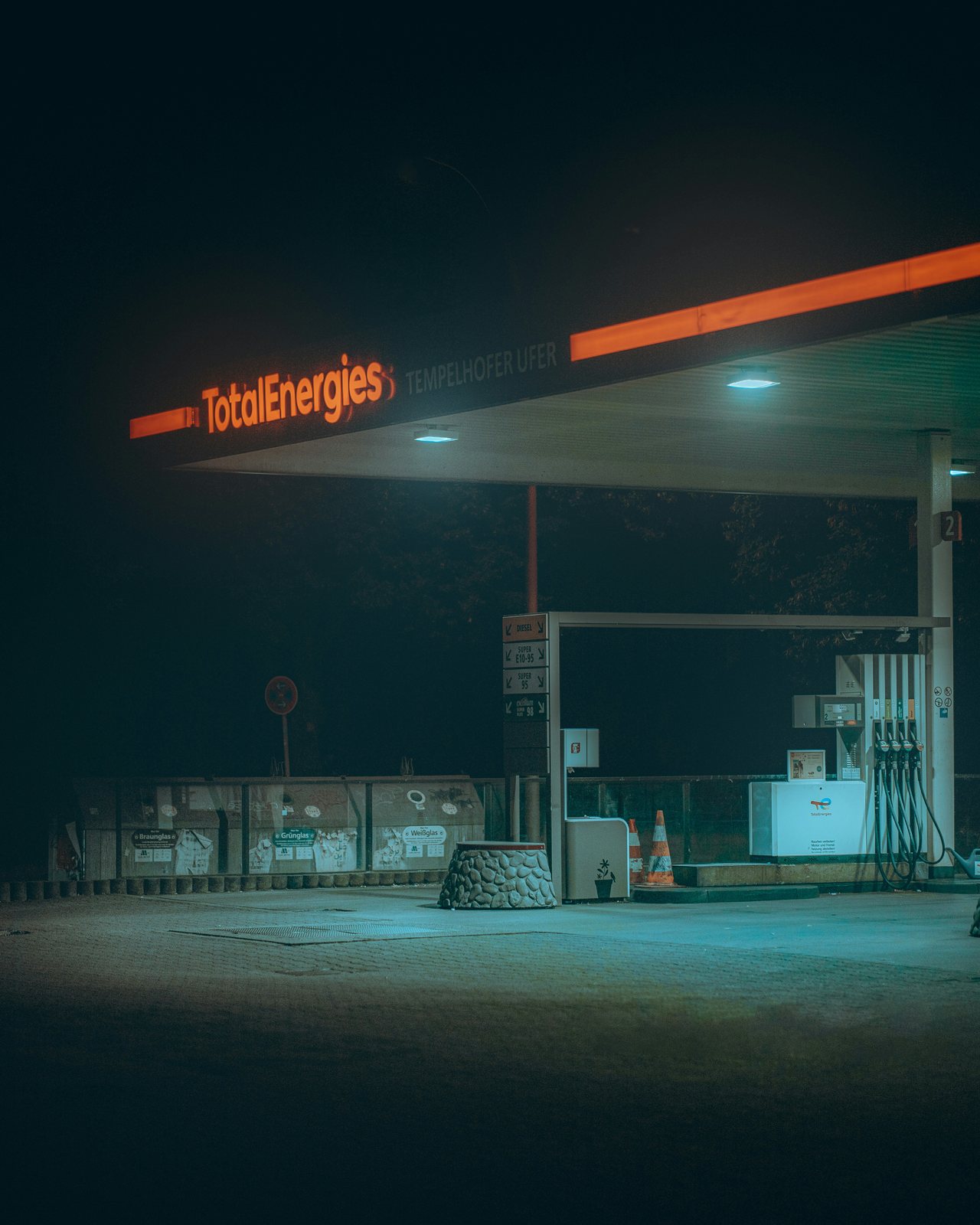
Fuel stations. Petrol station shops are the backbone of night and Sunday resupply. Many on main roads are open long hours or 24/7, with drinks, snacks and sometimes hot food. Treat a confirmed 24/7 station as your safety net.
Bakeries. In many countries bakeries open early, even on Sundays, but often only in the morning. A boulangerie at 07:00 on a Sunday in France is a lifeline; the same shop is shut by early afternoon.
Station and city-centre shops. Shops inside train stations and airports are often exempt from Sunday closing rules. Handy if your route clips a town with a station.
Water taps. Independent of any opening hours: public fountains, cemetery taps and springs. Never opening-time dependent, which is why they matter most at 3am.
Country by country, roughly
Germany. Strict Sunday closing for supermarkets and most shops; I have watched a full day's food plan evaporate because I forgot it was a Sunday in Bavaria. Bakeries limited to Sunday mornings. Fuel stations and station shops are your Sunday and night options.
France. Small shops and bakeries often open Sunday morning, many close midday and Mondays. Supermarkets vary; larger ones may open Sunday morning only.
Netherlands and Belgium. More flexible; many supermarkets open Sundays in towns (koopzondag), but not everywhere and not always all day. Night shops in cities.
Italy. Watch the afternoon closure (riposo) of smaller shops, plus Sunday closures. Bars and cafes fill the gaps.
Switzerland and Austria. Among the strictest Sunday closures in Europe. Plan Sundays around fuel and station shops, and carry more.
Spain and Portugal. Long midday closures (siesta, roughly 14:00–17:00) hit small shops hard, and Sunday closing is common outside tourist zones. Dinner runs late, which also means small grocers and bars often stay open later at night than you'd expect further north.
United Kingdom and Ireland. Large supermarkets are legally capped to six hours' trading on Sundays (typically 10:00–16:00 or 11:00–17:00 in England and Wales); smaller convenience stores and petrol forecourts are unrestricted and often open very late or 24/7.
Poland and Central Europe. Poland bans most Sunday trading for larger shops (with a handful of exempt Sundays a year), which surprises a lot of visiting riders. Petrol stations, small owner-run kiosks and bakeries are exempt and become your default. Czechia and Slovakia are more relaxed, closer to the Dutch pattern.
Nordics. Norway keeps strict Sunday closing for regular shops nationwide; petrol stations ("bensinstasjon") and the Narvesen/7-Eleven-style kiosks common at stations are your Sunday and night fallback. Sweden and Denmark are looser about Sundays but the real challenge is distance — rural stretches can go a long way between any resupply at all, open or not.
These are patterns, not guarantees. Local rules, tourist zones and individual shops differ, so always leave a margin.
The other unpredictable one: public holidays
Sundays are at least on the calendar. Public holidays are the ones that actually catch riders out, because they are often regional, not national. Fronleichnam (Corpus Christi) closes shops in Catholic parts of Germany and Austria but not elsewhere in the same country. Spain and Italy are full of local fiestas and patron-saint days that shut a single town while its neighbour trades as normal. Ferragosto, in mid-August, can quietly close large parts of Italy for the better part of a week, well beyond the public holiday itself. There is no universal rule here beyond: check the date, and treat any public or regional holiday like a stricter Sunday.
What to actually carry, just in case
None of the above is a reason to carry three days of food. It is a reason to carry a margin for your single longest gap, not for the whole route. If you want to size that properly, the water and food carry calculator walks through it based on distance, speed and heat.
How Rekker handles this for you
Rekker bakes these rules into your roadbook. It knows the typical opening hours per chain and per day, applies the local Sunday logic, and shows each stop as open or closed for the time you will actually arrive, not the clock right now. Shops that will be shut simply dim out, so you plan around a stop that is actually there for you.
I tested this for real on the BRM600 Boekelo: the resupply plan held up, bakeries and shops were open or closed exactly when Rekker said they would be, and the ride's own checkpoints — read straight out of the GPX file — showed up automatically as stops. The one gap I found was thin water-point data in Germany, which is a map-data issue (OpenStreetMap), not an hours-logic one.
Build your roadbook, freeDrop in your GPX and see what is open along your line, with water always free.